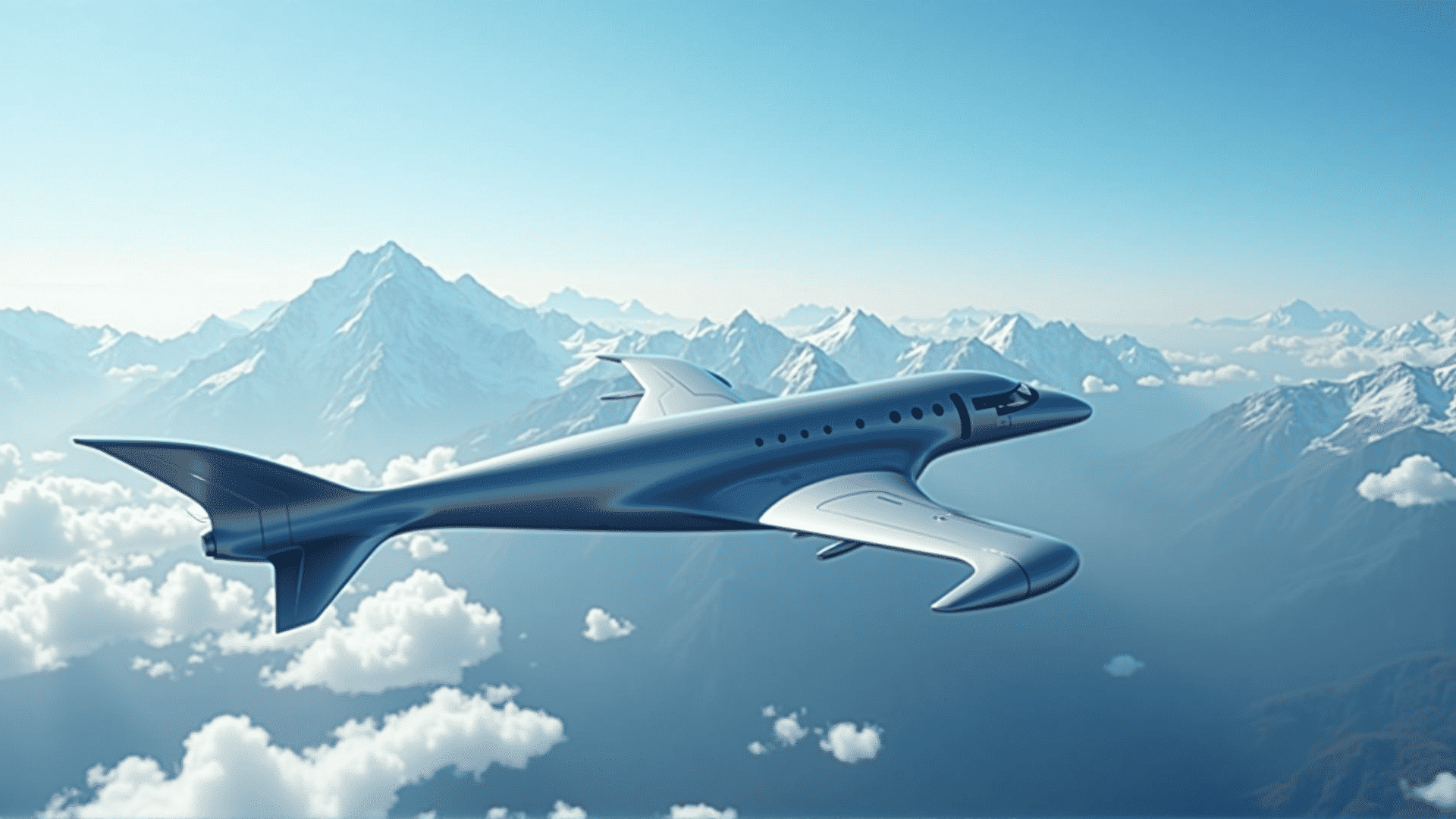
In the quest for enhanced performance and efficiency, innovative aerodynamic solutions have become a cornerstone of modern engineering and design. By refining the way vehicles interact with the air, these advancements offer significant benefits, including reduced drag and improved fuel economy.
At the heart of these innovations is the meticulous study of airflow dynamics. By understanding how air moves over and around surfaces, engineers are able to design shapes and structures that minimize resistance. This process involves both computational simulations and wind tunnel testing to refine each element to perfection.
One key technique involves streamlining shapes. By creating smooth, uninterrupted surfaces that guide the air effortlessly around the vehicle, designers can drastically reduce turbulence and drag. Even small modifications, such as adjusting the angle of a curve or the contour of an edge, can lead to meaningful improvements in performance.
Incorporating advanced materials is another critical factor. Lightweight composites and alloys that offer strength without excess weight are increasingly prevalent. Not only do these materials allow for greater speed and efficiency, but they also contribute to overall vehicle sustainability by reducing energy consumption.
Moreover, innovations in active aerodynamics have produced remarkable results. Components such as adaptive spoilers and flaps adjust in real-time to optimize airflow based on current conditions and speed. This dynamic adaptation provides superior control and efficiency across a variety of environments.
These aerodynamic advancements are particularly impactful in the automotive and aerospace industries. For cars, reducing drag not only enhances speed and acceleration but significantly boosts fuel efficiency, lowering emissions and operating costs. In aviation, optimized aerodynamics are critical for improving lift-to-drag ratio, extending range, and ensuring stability at high speeds.
In summary, the evolution of aerodynamic design continues to push the boundaries of what is possible. By leveraging a detailed understanding of airflow and utilizing cutting-edge technologies, engineers are able to create vehicles that are faster, more efficient, and more environmentally friendly than ever before. As the demand for sustainable transportation grows, these advancements take on an even greater importance, offering a pathway toward a more efficient and sustainable future.