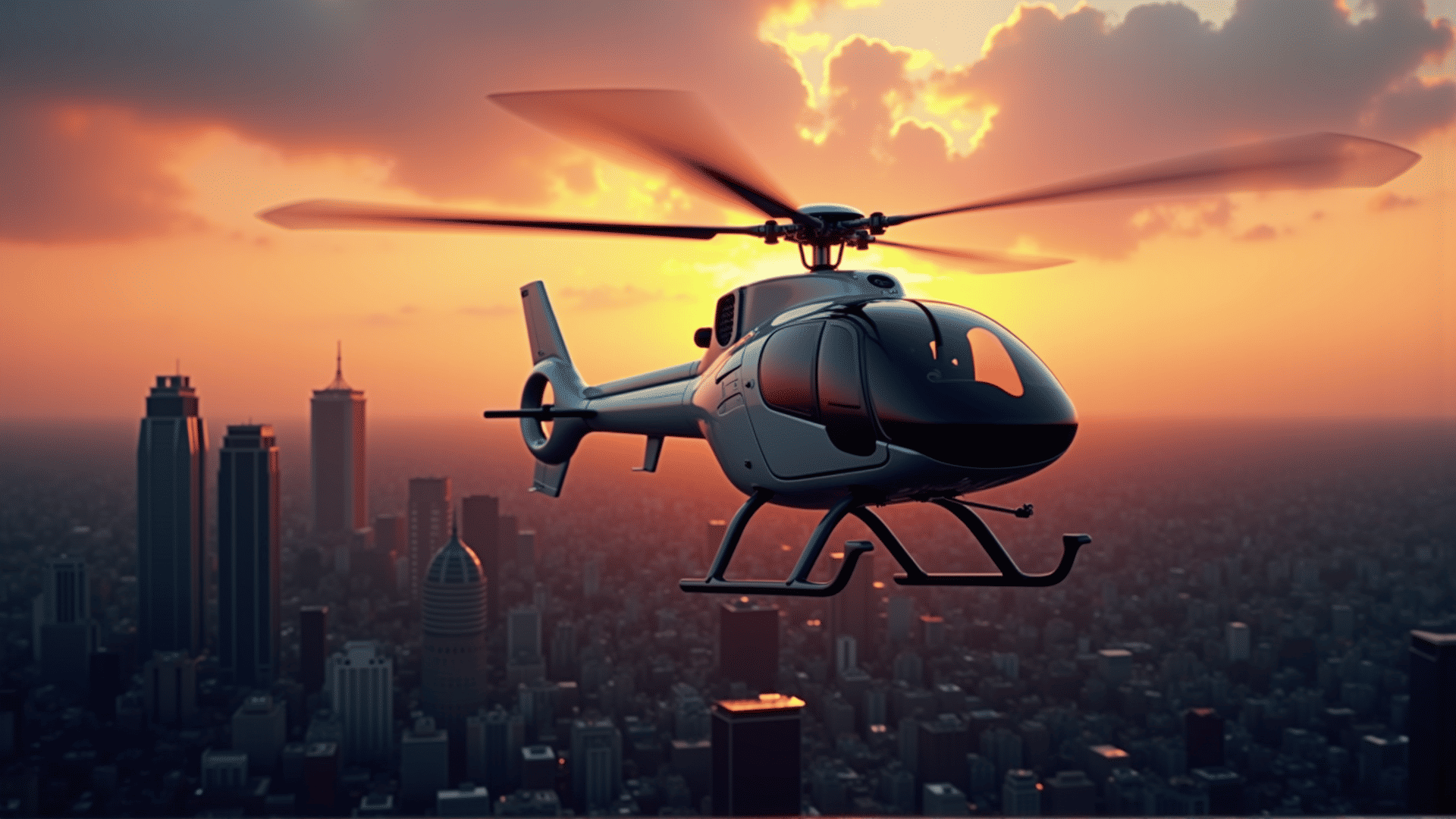
Recent developments in helicopter technology are paving the way for enhanced safety and increased operational efficiency. These innovations are transforming how helicopters are designed, operated, and maintained, offering significant improvements that benefit both commercial and military applications.
One of the most notable advancements is in rotorcraft aerodynamics. Engineers are developing new blade designs that reduce noise pollution and increase fuel efficiency. These blades are crafted from advanced composite materials, making them lighter and more durable. This not only extends the lifespan of the rotorcraft but also enhances performance across various flying conditions.
Additionally, cutting-edge avionics systems are revolutionizing cockpit operations. Modern helicopters are equipped with advanced navigation and communication technologies that provide pilots with better situational awareness and streamlined controls. These systems include state-of-the-art sensors and automated flight control, minimizing pilot workload and reducing the risk of human error.
Another critical area of innovation is in propulsion systems. Hybrid and electric engines are becoming increasingly viable, offering a cleaner and more sustainable mode of air transport. These engines significantly reduce emissions and reliance on fossil fuels, aligning with global efforts to tackle climate change. The lower operational costs associated with these engines also make helicopter travel more accessible and economically feasible.
Safety remains a paramount concern in helicopter operations, and recent innovations reflect significant advancements in this area. Enhanced crashworthiness designs, including energy-absorbing materials and structures, are being integrated into modern helicopters to better protect occupants. Additionally, new emergency systems, such as automatic deployable safety features, are being tested to ensure rapid and effective responses in critical situations.
Moreover, the development of autonomous and remotely piloted helicopters is progressing steadily. These unmanned systems promise to revolutionize missions that are deemed too risky for human crews, such as disaster response and search and rescue operations in hazardous environments. The integration of artificial intelligence in these systems allows for precise and adaptable mission planning and execution.
Innovation in helicopter technology is also being driven by advancements in data analytics and connectivity. The use of big data and IoT technology enables predictive maintenance, allowing operators to identify and address potential issues before they become serious problems. This proactive approach not only enhances safety but also optimizes aircraft availability and reduces downtime.
In summary, the ongoing innovations in helicopter technology are making a profound impact on safety and efficiency. From advanced materials and propulsion systems to cutting-edge avionics and autonomous capabilities, these developments are setting new standards in the aerospace industry. As technology continues to evolve, helicopters will undeniably become even more efficient, safer, and environmentally friendly in the years to come.